The Complete History of Silver
A Journey Through the Ages
Discover how silver shaped civilizations, economies, and the world of precious metals. From ancient coins to modern bullion, explore the enduring legacy of silver.
Milestones in Silver’s Story
The complete history of silver
From ancient river valleys and mountain mines to solar panels and microchips, silver has been woven into human history for over 5,000 years. This is a structured, factual overview of how silver forms, how civilizations used it, how it shaped money and trade, and why it still matters today.
1. How silver forms in the earth
1.1 Geological origin
Silver does not appear suddenly; it is the end result of long, complex geological processes:
- Extreme heat and pressure Deep in the earth’s crust, underground water and gases are superheated by magma. These fluids dissolve metals—including silver, copper, and lead.
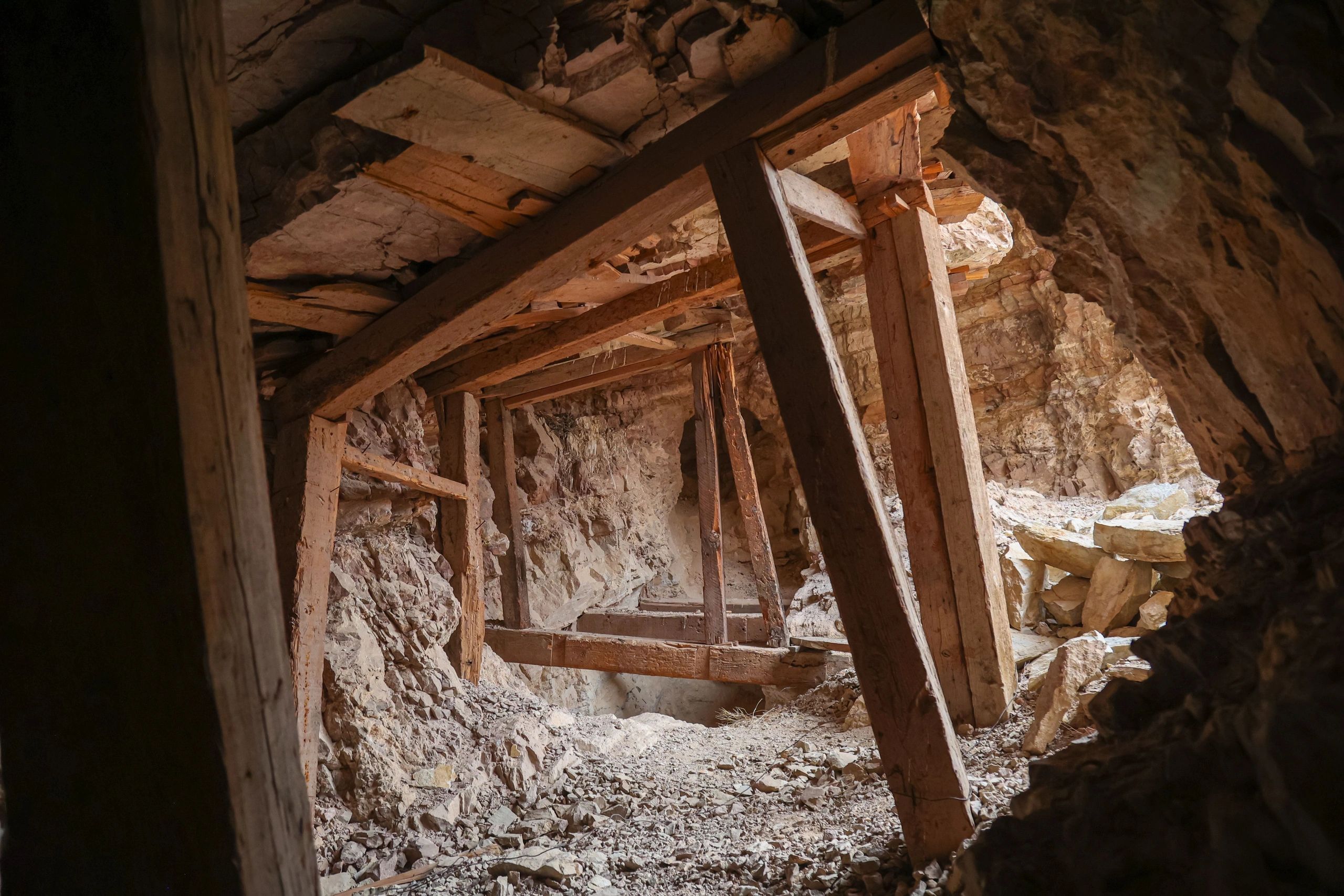
- Underground displacement The metal‑rich fluids are forced upward through cracks and fissures in rock formations, sometimes over tens of millions of years.
- Crystallization and vein formation As the fluids cool near the surface, silver‑bearing minerals precipitate and crystallize, forming the veins that miners later exploit.
Although native (pure) silver does occur, most modern silver is locked in ore and is now primarily extracted as a byproduct of large copper and lead mining operations, not from dedicated silver mines.
2. Silver before coins: ancient Mesopotamia and early trade
2.1 Silver as weight‑based money
Long before stamped coins existed, silver was already functioning as money:
- In Mesopotamia (Sumer and Babylon, ~3000–2000 BCE), silver was adopted as a standard unit of value, measured by weight rather than by coin.
- The shekel—about 8.3 grams of silver—became a key unit for recording debts, taxes, and trade. When a contract mentioned “two shekels,” it meant roughly 16.6 grams of silver, weighed on a balance scale.
Silver solved practical problems: it was rare enough to store value, but abundant enough to circulate. Gold was too scarce for everyday commerce; copper was too common and heavy. Silver occupied the middle ground and became the backbone of early economic systems.
3. Ancient mining and the birth of silver coinage
3.1 Early mining and cupellation
- By 5000 BCE, prehistoric miners were already encountering silver while digging copper mines, since silver often occurs alongside copper.
- Around 4000 BCE, the invention of cupellation—a process that separates silver from lead—allowed people to refine silver more efficiently and in larger quantities.
3.2 Anatolia and large‑scale mining
- By 3000 BCE, Anatolia (modern Turkey) had developed large‑scale silver mining to meet demand from early city‑states that used silver as a common medium of exchange.
3.3 Athens and the Laurium mines
- Around 1200 BCE, Athens exploited massive silver seams at Laurium, south of the city.
- Historical records estimate production at up to 30 tonnes of silver per year, enough to finance the Athenian fleet and help defeat Persia.
- The famous Athenian “owl” tetradrachm—one of the most recognizable ancient coins—was minted from Laurium silver and circulated widely across the Mediterranean.
3.4 Lydia, Greece, and the first coins
- Lydia (in western Anatolia) struck some of the first stamped coins, including silver issues that formalized the idea of standardized, portable money.
- Athens followed with its silver tetradrachm, which effectively became the “dollar” of the ancient world—trusted and accepted far beyond Greek borders.
4. Silver in classical and imperial economies
4.1 Rome and the denarius
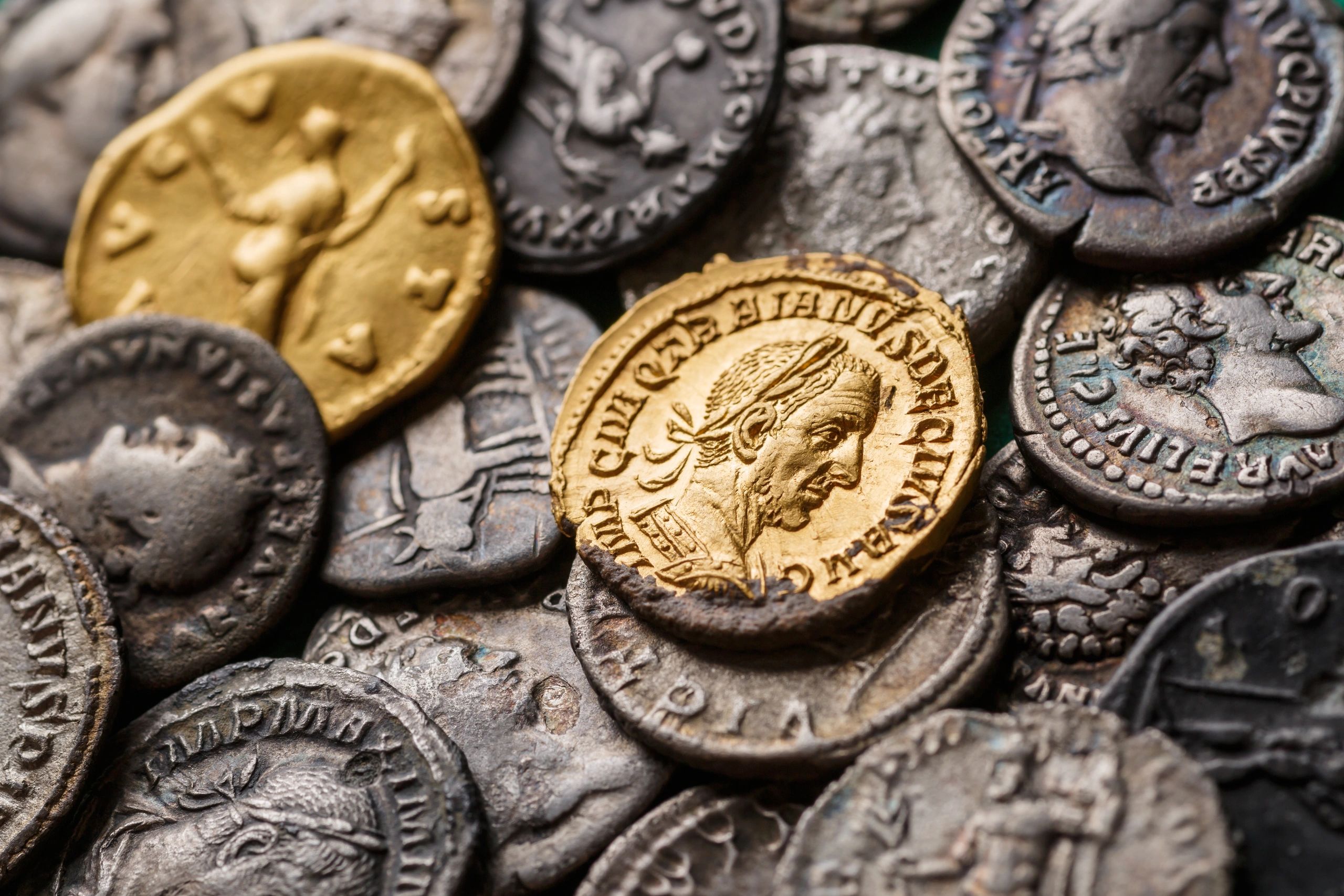
- Rome built much of its economy on the silver denarius, a coin that initially contained high‑purity silver.
- Over time, Rome debased the denarius—from about 98% silver to less than 5%—a decline that closely tracked the empire’s political and economic troubles.
4.2 Spain and Mediterranean silver
- By around 200 BCE, Spain had become a major silver supplier for the Roman world.
- Spanish silver fueled Mediterranean economies for centuries, first under Phoenician control and later under Roman rule.
4.3 Silver in ritual and status
Across Greece, Rome, Egypt, and Mesopotamia, silver was used for:
- Jewelry and adornment for elites
- Ritual objects—bowls, chalices, temple vessels
- Domestic luxury items such as tableware and decorative pieces
Its bright luster, rarity, and workability made it a natural symbol of purity, wealth, and power.
5. Medieval silver: currency, craft, and religion
During the Middle Ages:
- Silver remained central to coinage, especially in Europe and the Islamic world.
- The Abbasid dirham, a silver coin, circulated from Spain to Scandinavia; Viking hoards in Sweden contain thousands of Islamic silver coins, showing how silver linked distant cultures.
- Silver was heavily used in church and religious art—chalices, reliquaries, and liturgical objects—reinforcing its association with sanctity and prestige.
In 1238, England introduced one of the earliest hallmarking systems to guarantee silver fineness, a major step in quality control and consumer trust.
6. The age of global silver: New World mines and world trade
6.1 Potosí and the “piece of eight”
- In the 16th century, Spain discovered the enormous silver deposit at Potosí in present‑day Bolivia—often described as the richest silver deposit in history.
- The peso de ocho (“piece of eight”), a large silver coin minted from New World silver, became the world’s first truly global currency, circulating across Europe, the Americas, and Asia.
6.2 The Silver Fleet and global trade
- Massive flows of Bolivian and Mexican silver, transported by the Spanish Silver Fleet, connected continents and helped create the first sustained global trade networks.
Silver was no longer just a regional monetary metal—it became the backbone of international commerce, linking Europe, Asia, and the Americas in a single, silver‑denominated system.
7. Silver and modern monetary systems
7.1 Bimetallism and the United States
- After independence, the United States adopted a bimetallic standard, fixing the legal ratio of silver to gold at 15:1.
- Tension between legal ratios and market ratios emerged almost immediately, as the actual market value of silver and gold fluctuated independently of the law.
7.2 The “Crime of ’73” and demonetization
- In 1873, the U.S. effectively demonetized silver, ending its role as a primary monetary metal in American coinage.
- This sparked decades of political conflict, culminating in William Jennings Bryan’s famous “cross of gold” speech, which argued against abandoning silver.
7.3 The last silver coins and the end of metal‑backed money
- By the mid‑20th century, many countries stopped minting circulating coins in high‑purity silver; the U.S. produced its final 90% silver coins in the 1960s.
- In 1971, when President Nixon closed the gold window, the last formal link between major currencies and precious metals was severed. For the first time in history, all major money became fiat—not backed by silver or gold.
8. Ancient and traditional uses of silver
8.1 Jewelry and ornament
From antiquity onward, silver has been used for:
- Rings, necklaces, bracelets, and decorative clothing elements
- Household items such as bowls, cups, and plates
Its bright, white luster and malleability made it ideal for fine craftsmanship.
8.2 Religious and ceremonial objects
Silver has long been associated with purity and the sacred:
- Chalices, reliquaries, and altar vessels in Christian churches
- Ritual bowls and temple objects in ancient Near Eastern and Mediterranean religions
These uses reinforced silver’s symbolic role as a metal of high status and spiritual significance.
8.3 Early medicinal and hygienic uses
Historically, people noticed that silver vessels helped keep water and wine fresher. Over time, this observation evolved into more deliberate use of silver for its antimicrobial properties, a tradition that continues in modern medicine.
9. Modern industrial and technological uses
9.1 Electronics and conductivity
Silver is the most electrically conductive metal known, which makes it critical in:
- Circuit boards and electrical contacts
- High‑performance switches and connectors
- Specialized batteries and components in consumer electronics
Its combination of conductivity and reliability is unmatched by other metals.
9.2 Solar energy and renewable technology
Silver plays a key role in photovoltaic cells:
- Silver paste is used in solar panel contacts and busbars.
- As global solar deployment increases, silver demand from the photovoltaic sector has become one of the most important modern drivers of industrial silver consumption.
9.3 Medicine and antimicrobial applications
Silver’s ability to disrupt bacterial cell processes has led to:
- Wound dressings impregnated with silver
- Medical device coatings to reduce infection risk
- Water purification systems that use silver to inhibit microbial growth
9.4 Photography (historical)
For over a century, silver compounds—especially silver halides—were the foundation of film photography:
- Light‑sensitive silver salts captured images on film and photographic paper.
- Although digital imaging has largely replaced film, this period represents a major chapter in silver’s industrial history.
9.5 Investment and bullion
Even in a world of fiat currencies, silver remains:
- A store of value
- A hedge against inflation and currency risk
- A popular metal for coins, bars, and rounds held by investors worldwide
Silver’s dual identity—as both industrial metal and monetary metal—is one of its defining modern characteristics.
10. Silver’s economic and cultural impact over 5,000 years
Across five millennia, silver has:
- Lifted ancient trade out of pure barter by providing a reliable medium of exchange.
- Financed empires—from Athens and Rome to Spain’s global ventures.
- Connected continents through global trade routes driven by New World silver flows.
- Shaped monetary policy debates, from bimetallism to demonetization and the transition to fiat money.
- Continued to matter in modern times through its indispensable role in electronics, solar energy, medicine, and investment.
11. Why silver still matters today
Silver’s story is not just historical—it is ongoing:
- Technologically, it is critical to the transition toward renewable energy and advanced electronics.
- Economically, it remains a key commodity, influenced by industrial demand, investment flows, and government policy.
- Culturally, it continues to symbolize wealth, purity, and craftsmanship in jewelry, art, and design.
In short, silver has moved from temple vessels and ancient coins to solar panels and microchips—but its importance has never really faded.
Silver’s Enduring Value
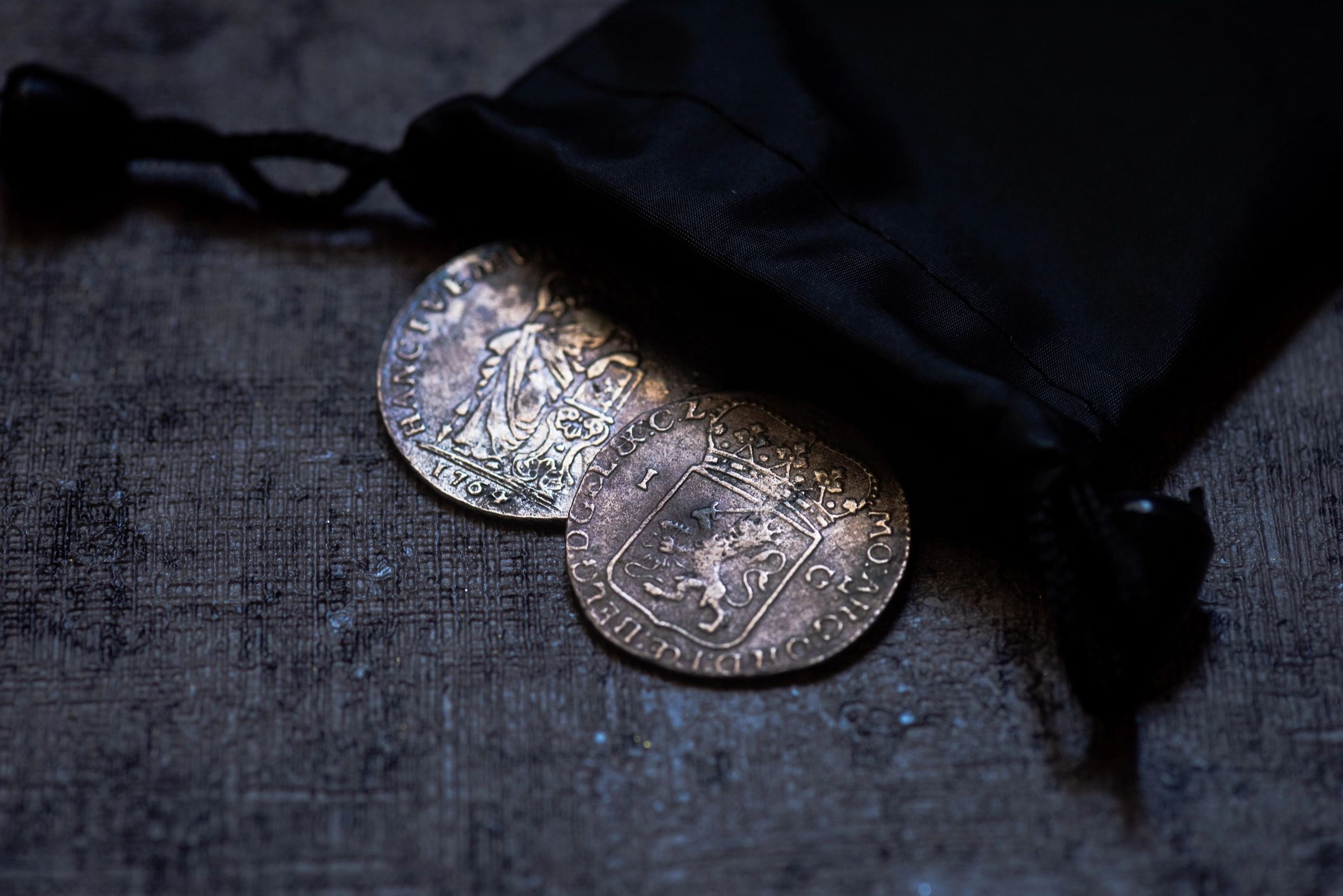
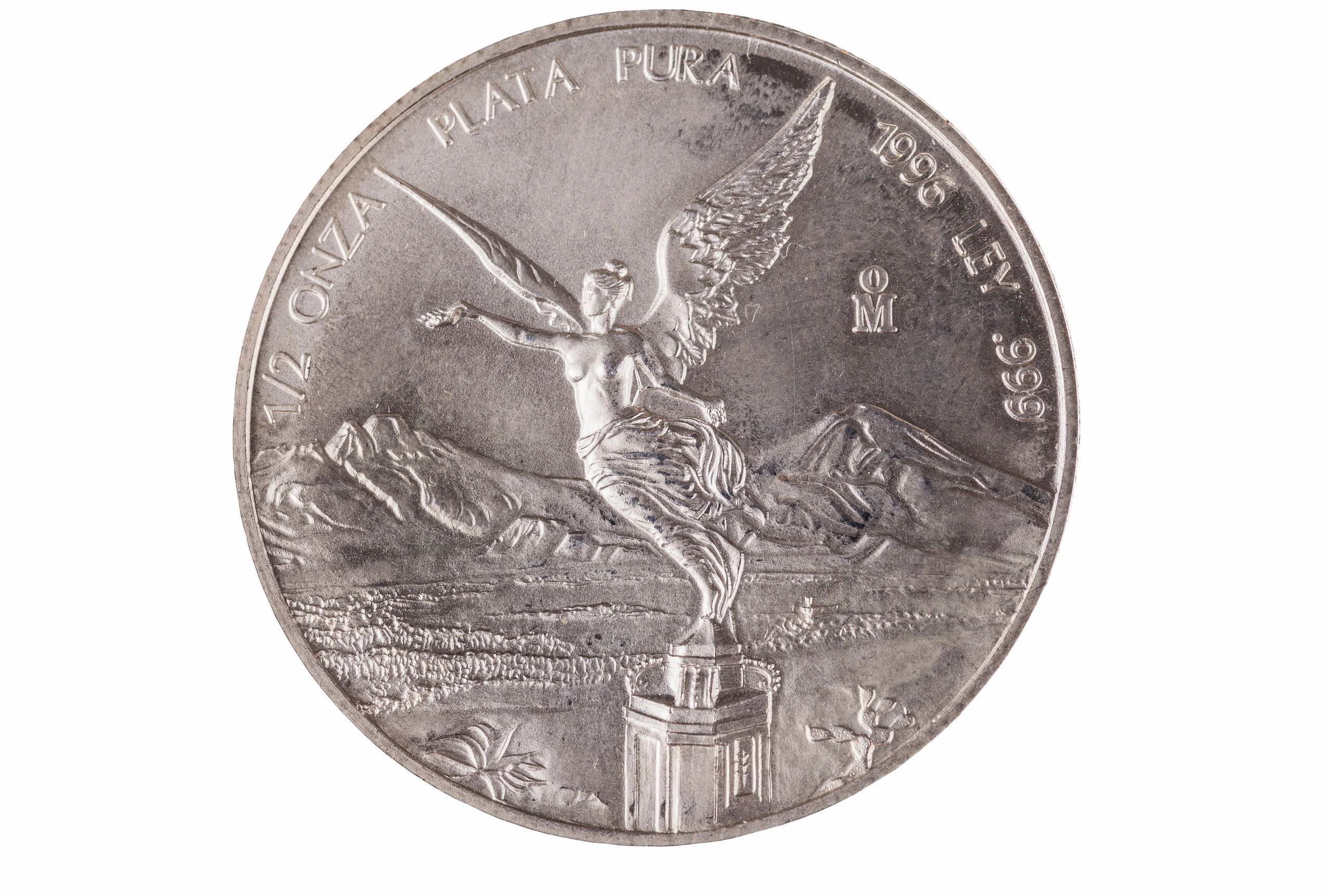
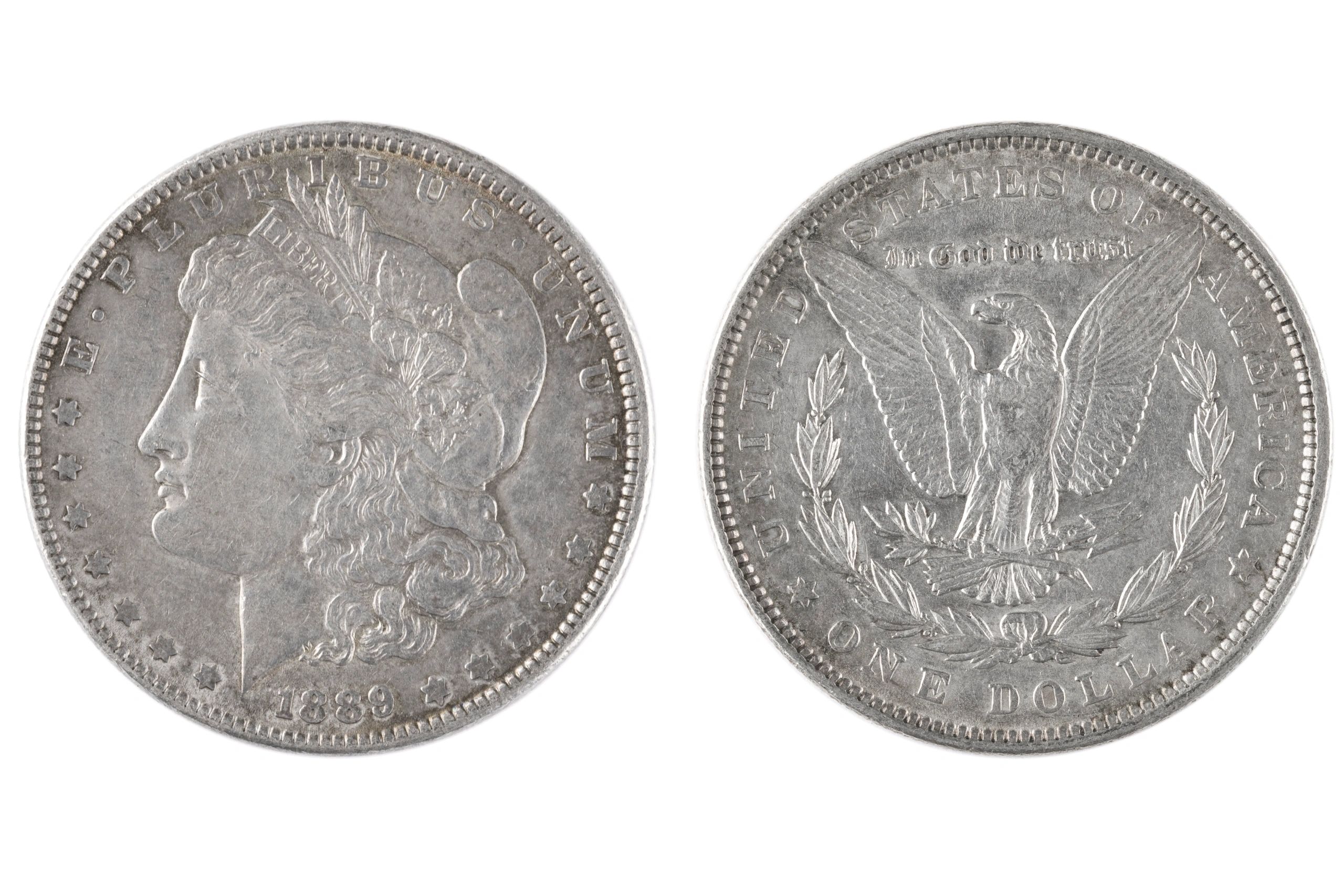
For thousands of years, silver has been prized for its beauty, rarity, and utility. From coins and jewelry to industrial applications, silver’s value has stood the test of time.
At America Silver, we honor this legacy by offering expert appraisals and a trusted place to buy or sell your silver.
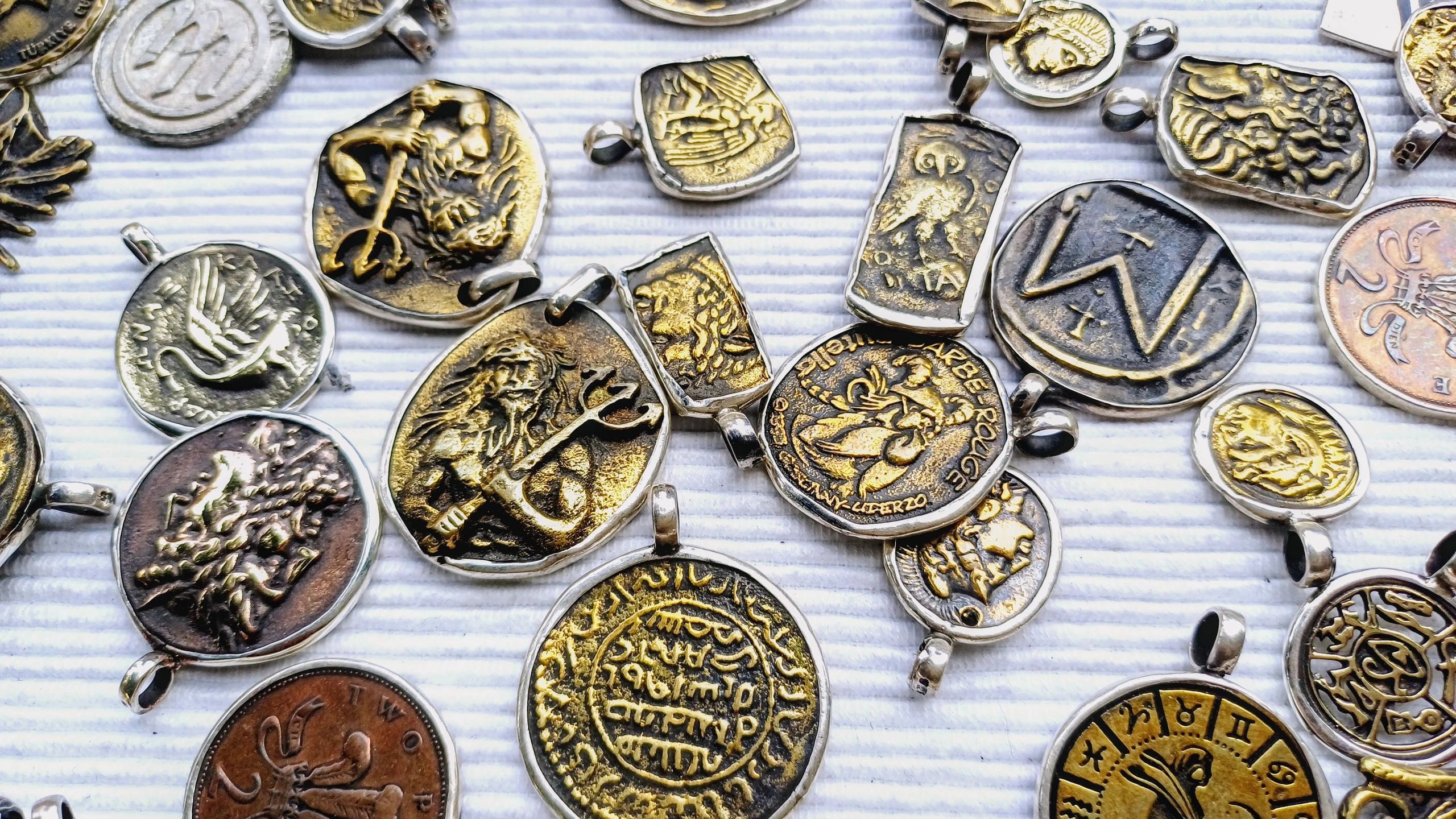
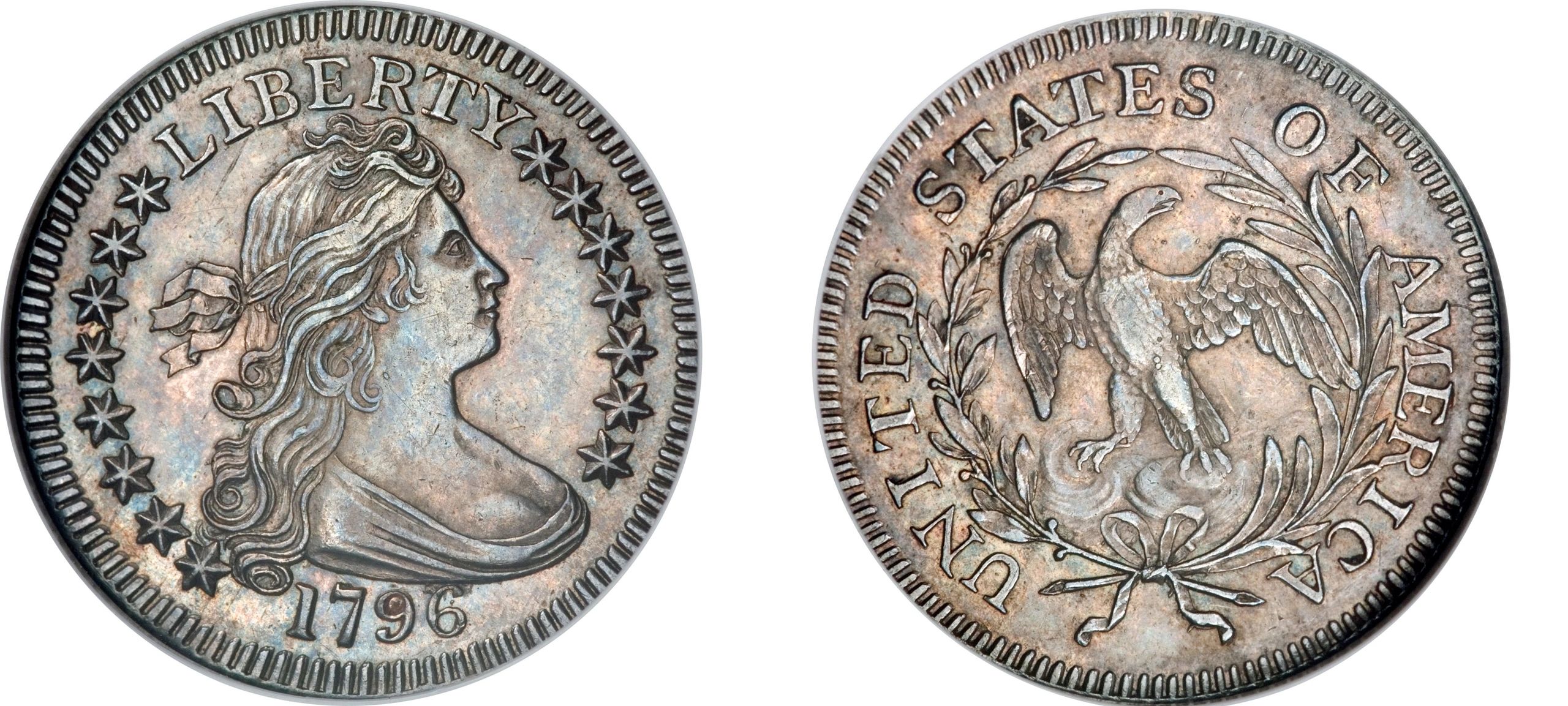
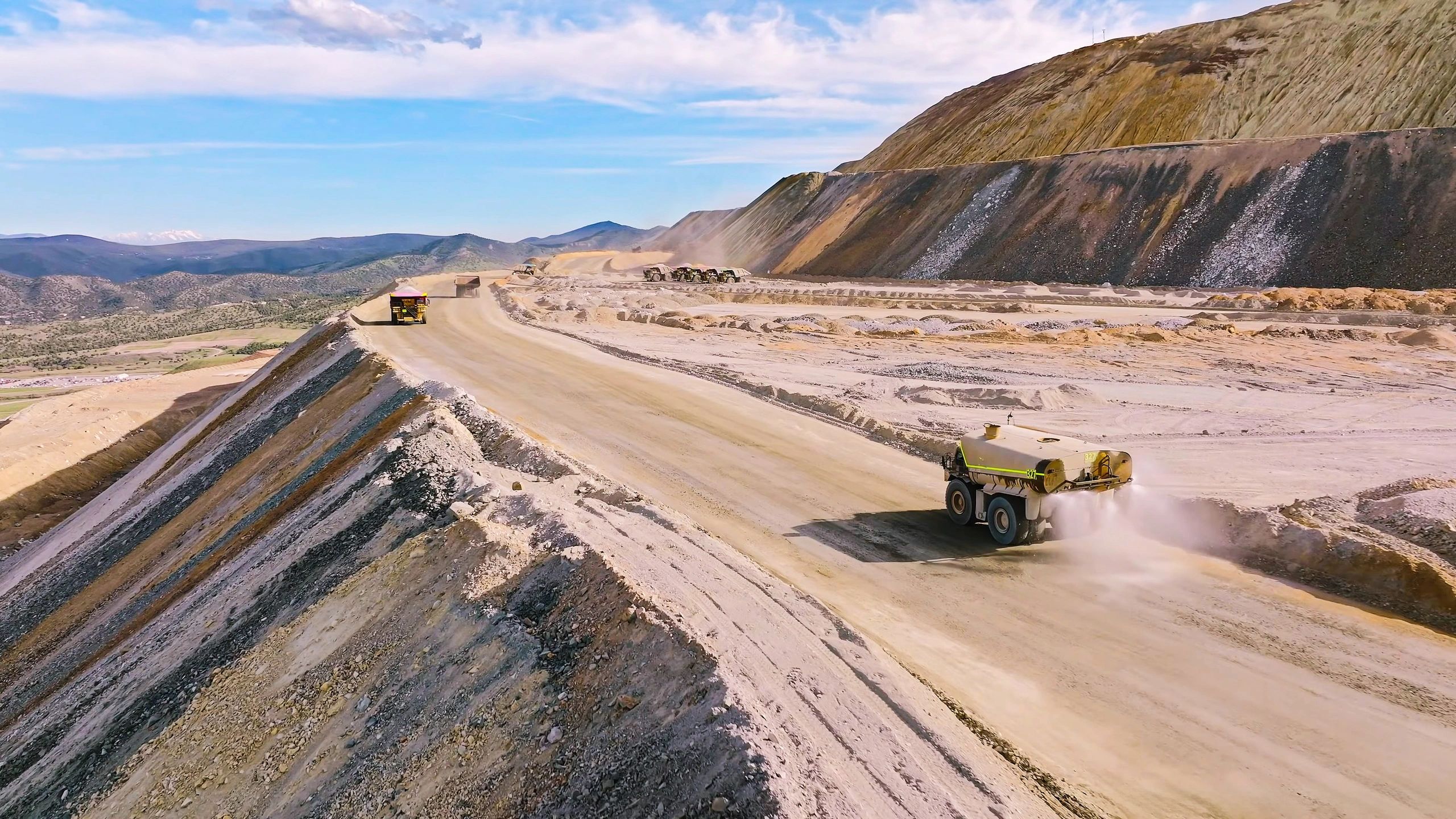
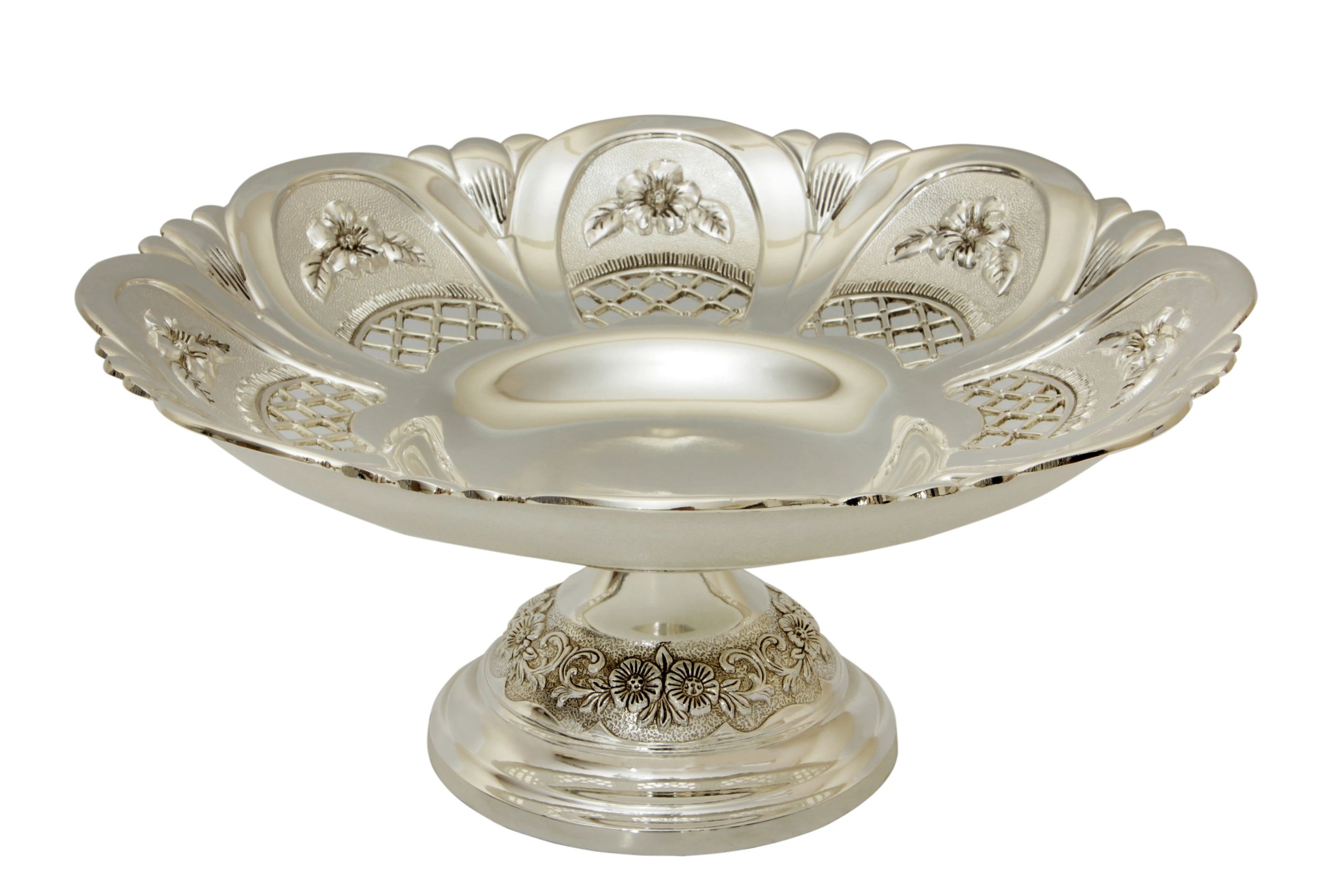
Silver Through the Ages
Explore iconic moments and artifacts in silver’s history, from ancient currency to modern bullion.
Ready to Buy or Sell Silver?
Trust America Silver for expert appraisals and a wide selection of bullion and coins. Visit our shop or get your silver appraised today.